News Center
Learn everything about us, latest news and events
Unlock 400% Profit Growth: Transform Your Charcoal Business from Fuel to Fragrance #73
Transform your charcoal business from low-margin fuel to high-value fragrance. The global market is projected to reach $456.08B by 2030, but real growth is in premium segments. Documented strategies show how leading innovators achieve 30-60% profit margins and 400% profit growth.
Bakhoor's profit is 4-6 times that of barbecue charcoal: Practical guide for charcoal supplier transformation # 72
The global charcoal market is projected to reach $456.08B by 2030. Suppliers focusing on bulk BBQ charcoal face thin margins, while Bakhoor (incense charcoal) offers 4-6X higher profits (30-60% margins). This guide provides a data-backed strategy to pivot from commodity trading to high-value branded solutions.
Transform Charcoal: Achieve 400% Profit Growth with Premium Brand Strategy #71
The $30.7B global charcoal market offers a 400% profit growth path. Shift from commoditized BBQ fuel to premium segments like Bakhoor, which commands 4-6x higher margins. This data-backed strategy transforms B2B suppliers into high-value brand owners.
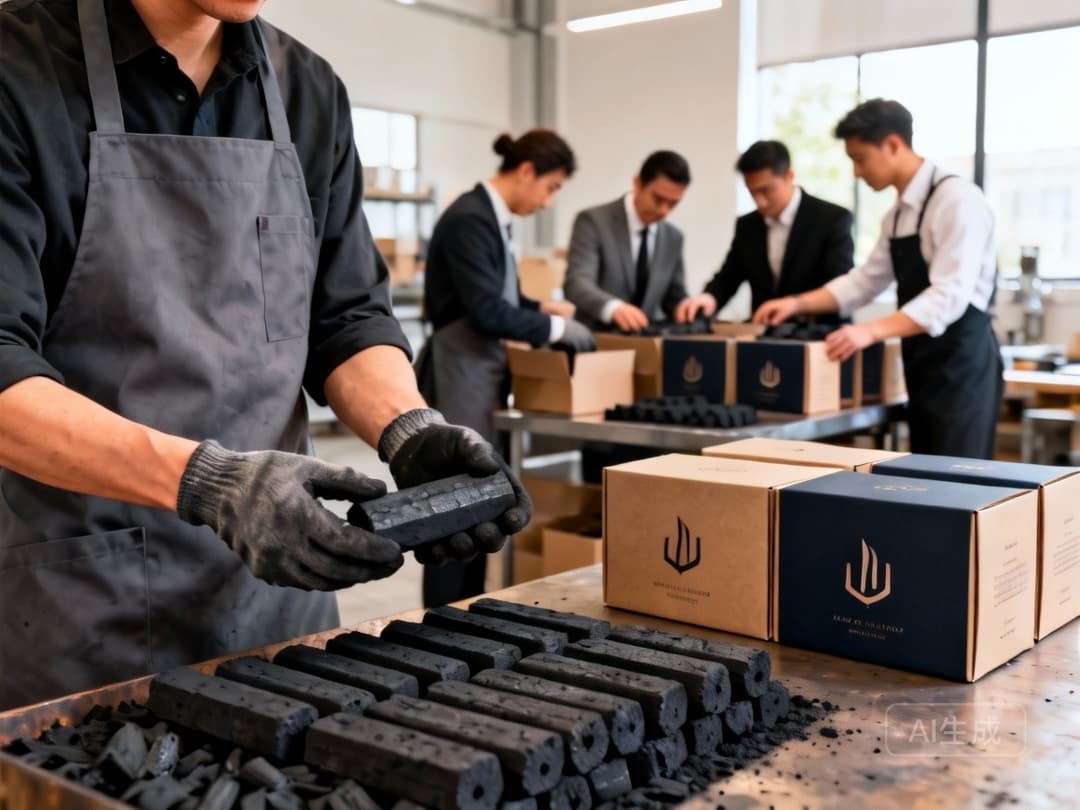
Unlock 400% Profit: Transform Your Charcoal Business into a High-Value Brand #70
Transform your charcoal business with a data-driven strategy. Shift from low-margin bulk sales to premium branding, capitalizing on a market projected to reach $45.6B by 2030. Proven models have delivered 400% profit increases for early adopters.
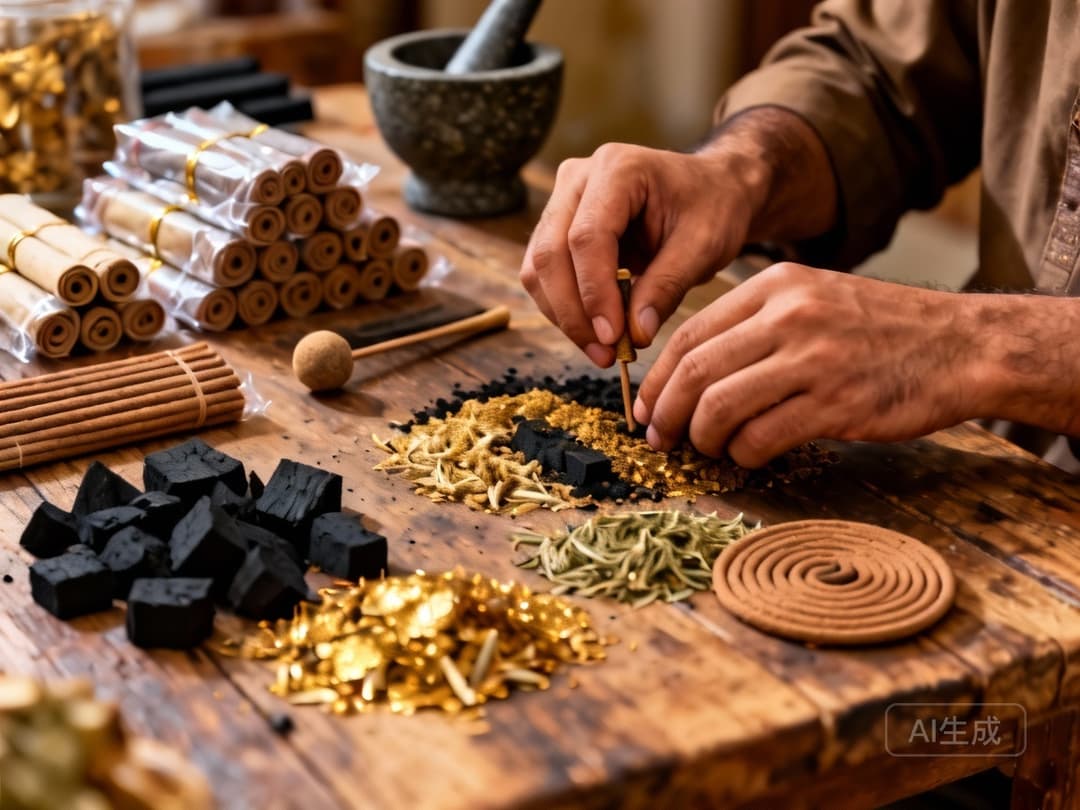
Transform Your Charcoal Business: 4X Profits with Bakhoor Market Entry #69
Transform your charcoal business from low-margin commodity to high-value sensory experience. The global Bakhoor & premium incense market offers 4-6X higher margins. Leverage a $456B market growing at 6.86% CAGR. Achieve proven 400% profit growth.
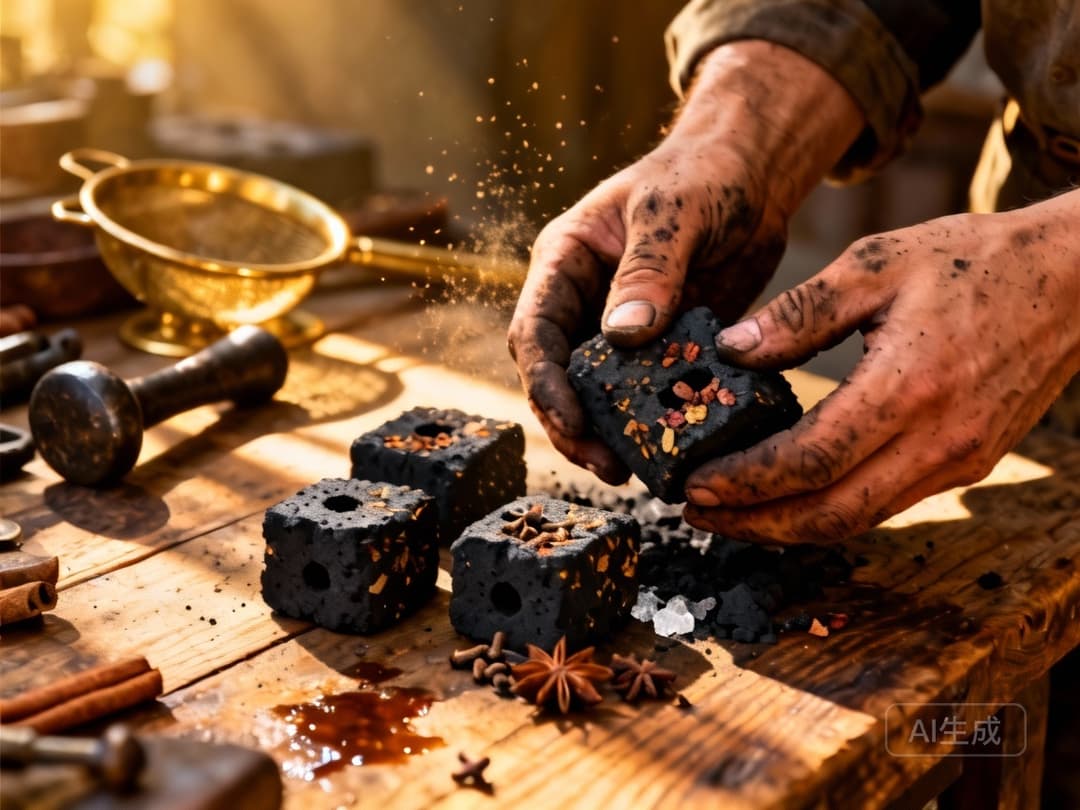
Transform Your Charcoal Business: A 400% Profit Blueprint #68
The global charcoal market grows at 6.86% CAGR, yet profits are shifting. A data-backed blueprint shows how moving from commoditized fuel to premium segments (e.g., Bakhoor) can increase profits by 400%. Learn to capture high-value growth.
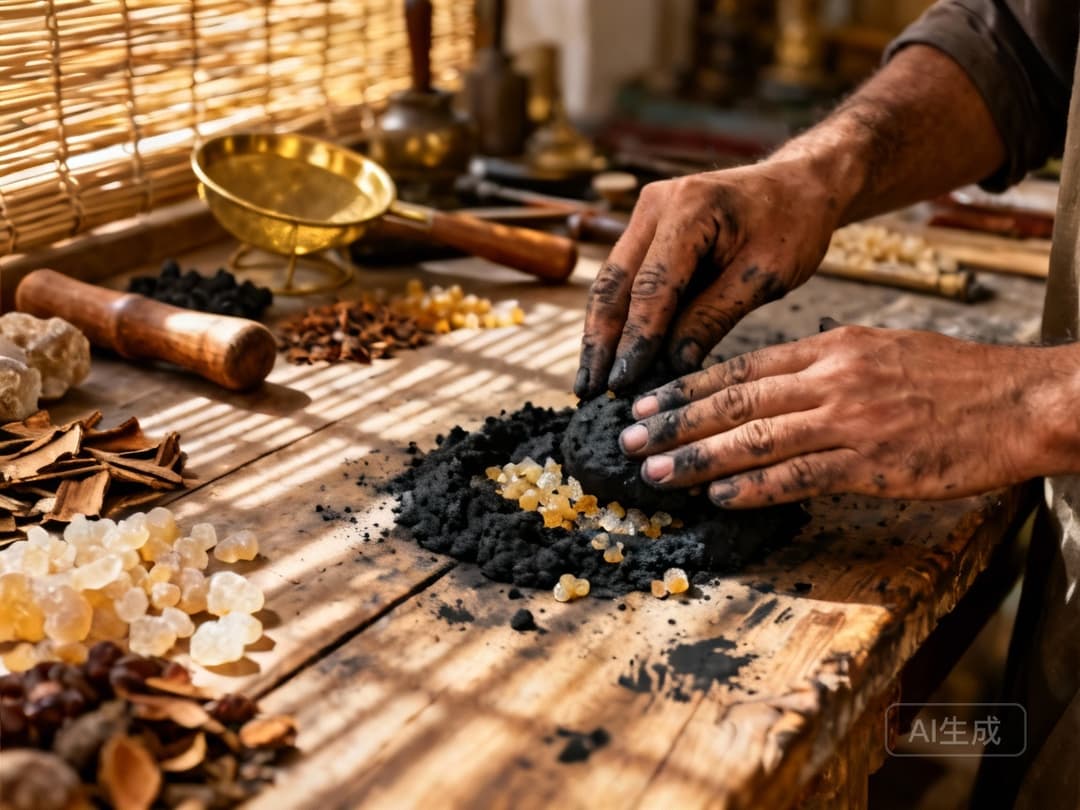
Transform Bulk Charcoal into Premium Bakhoor: Unlock 4-6X Higher Profit Margins #67
Transform bulk charcoal into premium Bakhoor for 4-6X higher profit margins. The $307.3B global charcoal market is shifting from fuel to branded experiences. Our strategic blueprint helps producers pivot to this high-growth, high-value segment.

Transform Charcoal from Commodity to Strategic Asset: A 2024 Procurement Playbook #65
Transform charcoal from a cost-centric commodity into a strategic asset. With the barbecue charcoal market projected to reach $4.85B by 2029 (CAGR 8.3%), leaders leverage procurement for supply chain resilience, quality differentiation, and ESG compliance.
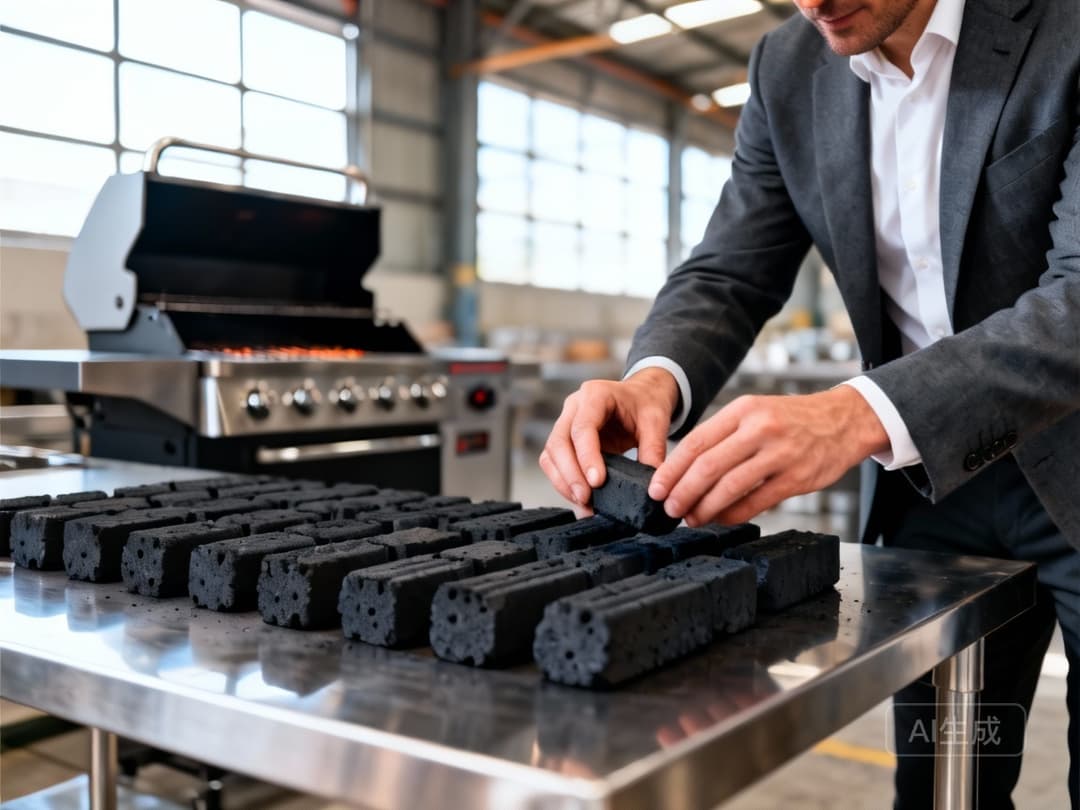
Optimize BBQ Chain Costs: 15% Fuel Savings via Advanced Charcoal Tech #64
Transform charcoal from a cost to a strategic asset. By shifting focus from price per ton to Total Cost of Ownership, advanced charcoal technology can deliver a verified 15% fuel cost reduction through higher efficiency and consistent burn.

News
Why Top Charcoal Distributors Choose Our Premium Bakhoor and BBQ CharcoalPremium Charcoal Solutions for Bakhoor, Barbecue, and Bulk SupplySourcing Premium Charcoal for Incense and BBQ: A B2B Buyer’s GuidePremium Bakhoor & BBQ Charcoal: Solving Your Business's Toughest Burning ChallengesTransform Your Business with High-Quality Charcoal: Solutions for Bakhoor and BBQPremium Bakhoor and BBQ Charcoal: The Key to Boosting Customer Satisfaction and RevenueHow Premium Bakhoor & BBQ Charcoal Solves Your Business's Biggest ChallengesPremium Bakhoor & BBQ Charcoal Solutions for Business GrowthElevate Your Charcoal Business with Premium Solutions: Solving Pain Points in a Booming MarketElevate Your Business with Premium, Chemical-Free Charcoal: Solutions for Bakhoor & BBQProducts
27mm Charcoal Tablets for Church Incense UseHookah Charcoal Tongs Stainless Steel Multi-Size Charcoal Tongs Hookah AccessoryWrought Iron Charcoal Incense Burner with Floral Carving - Middle Eastern Arabic Living Room DecorArab Golden Incense Burner, Home Indoor Cone Incense Burner, Small Middle Eastern Style Incense BurnerVintage Aladdin Lamp Incense Burner - Metal Craft Desktop Ornament in Luxe StyleCrystal Glass Arabian Style Incense Burner - Middle Eastern Craft Ornament - Muslim Aromatherapy Burner - Home DecorMiddle Eastern Arabic Creative Hollow Incense Burner, Light Luxury Style Living Room Tabletop Decorative Ornament, Incense BurnerGolden Arabic Style Charcoal Incense Burner - Living Room Tabletop Decorative Ornament & Aromatherapy BurnerMinimalist Modern Luxury Square Chalice Incense Burner - Middle Eastern Arabic Style Home DecorMiddle Eastern Arabian Style Ceramic Moon Incense Burner - Multi-color Options Semi-handcrafted Aromatic Decor