News Center
Learn everything about us, latest news and events
Global Charcoal Sourcing: Optimize Bulk Procurement with Regional Cost & Quality Data #12
Strategic charcoal sourcing can reduce costs by 20-30%. Indonesia dominates 35% of coconut production but carries 7-12% higher logistics costs, while South Africa offers reliability (9/10) at premium pricing. Optimized container strategies yield 18-22% savings.
Coconut Charcoal Revolution: Global BBQ Market Shifts to Sustainable Supply Chains #11
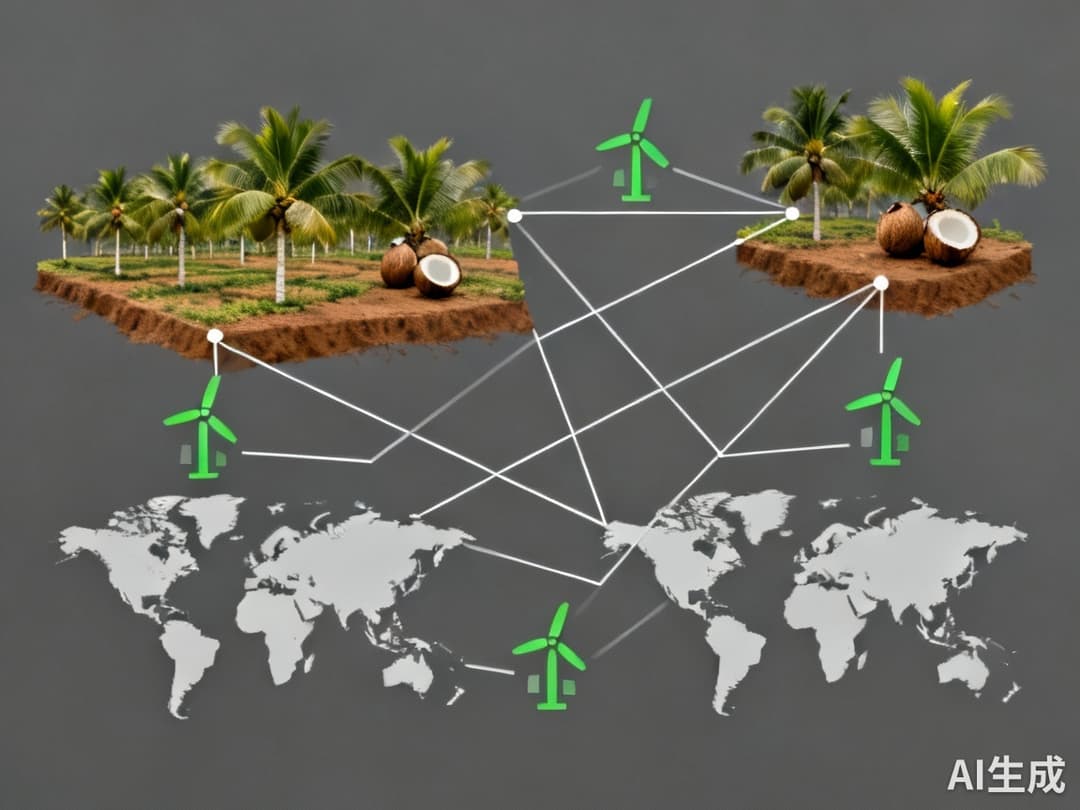
Coconut charcoal is replacing traditional hardwood with 30-40% longer burn times, reducing deforestation by utilizing agricultural waste and reshaping global BBQ supply chains.
Bakhoor Burner Market: $751M Growth Opportunity for Charcoal Suppliers #9
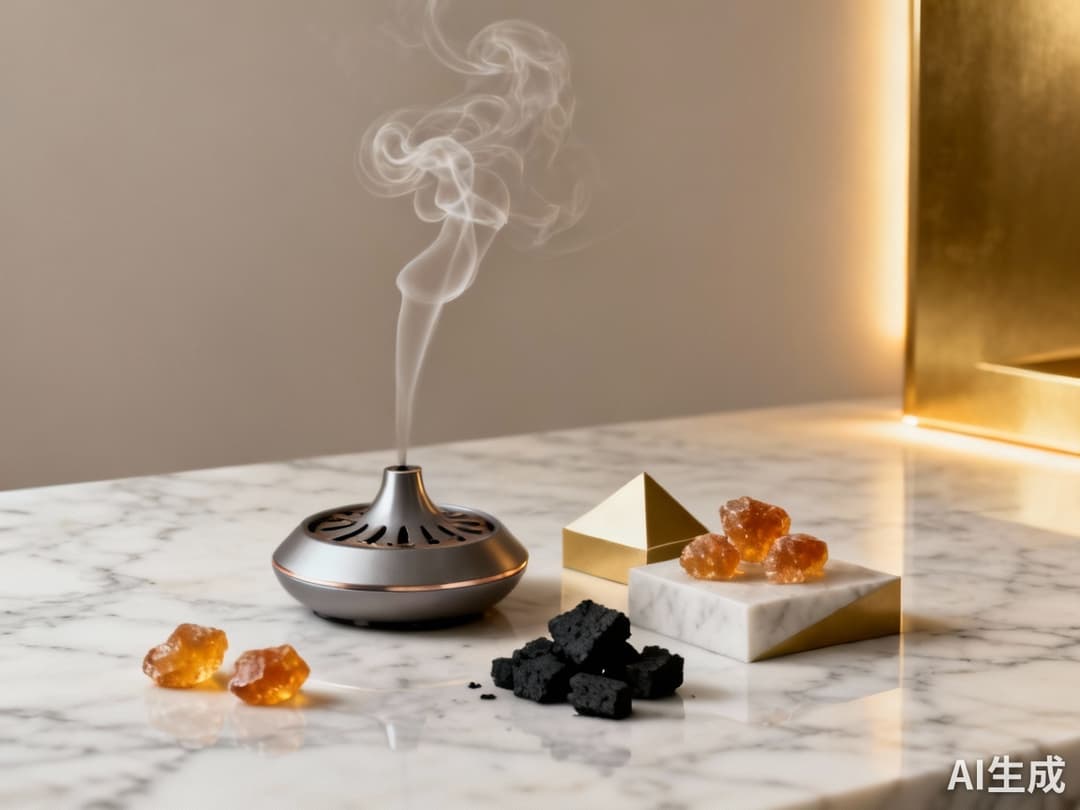
Bakhoor burner market offers $751.7M growth opportunity with 7.6% CAGR through 2034, outperforming BBQ charcoal's 8.3% CAGR. Premium fragrance applications present untapped potential for charcoal suppliers.
Leverage 8.3% CAGR: Data-Driven Charcoal Procurement Strategy for 2025 #8
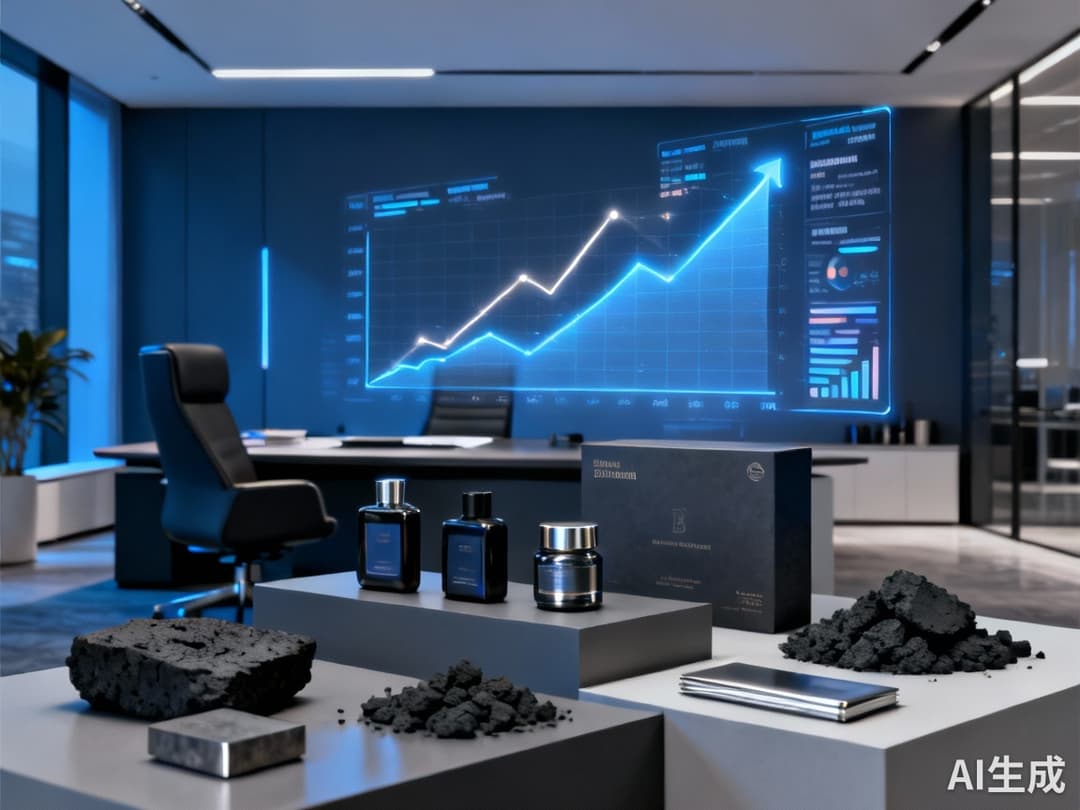
The global charcoal market is projected to reach $3.5B in 2025, growing at 8.3% CAGR. Regional sourcing strategies and rising BBQ demand in MEA (58% market share) offer significant procurement advantages for B2B leaders.

MEA Charcoal Supply Chain Optimization: Sustainable Procurement Strategy under 58% Market Dominance # 6
MEA dominates 58% of the global charcoal market, projected to grow from $3.23B (2024) to $45.6B (2030) at 6.86% CAGR. Sustainable sourcing strategies are critical for B2B leaders to capitalize on this growth while ensuring supply chain integrity and compliance.
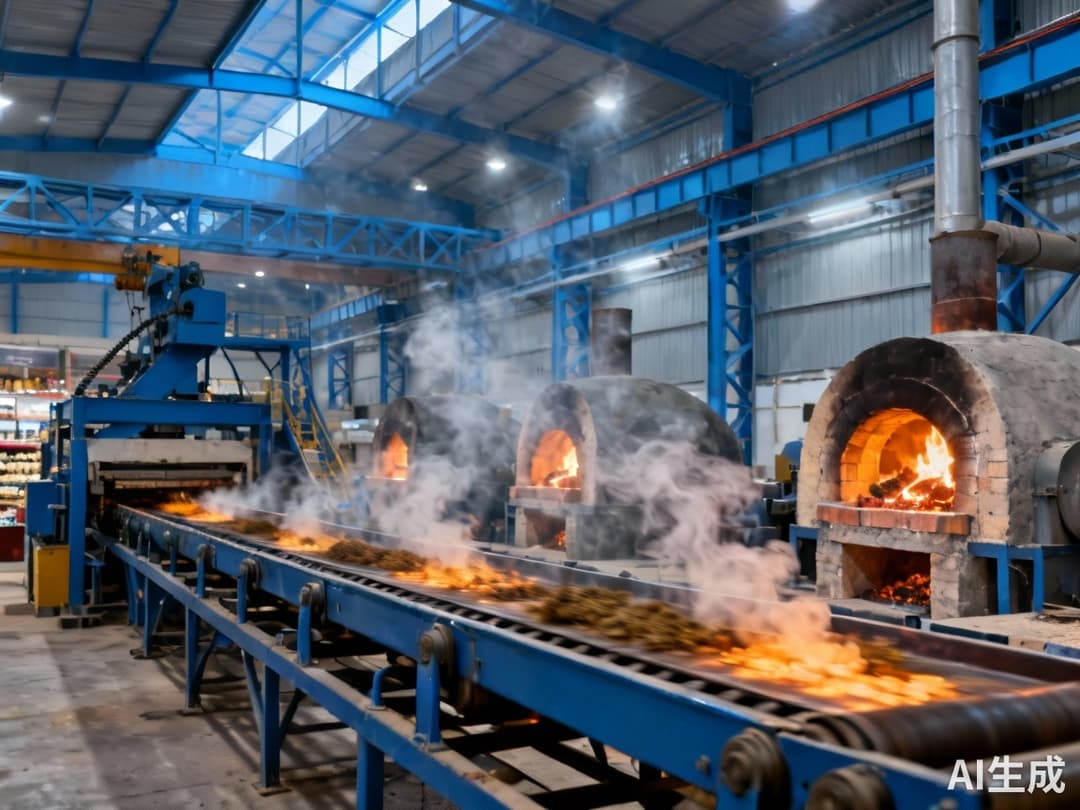
Strategic Charcoal Sourcing: Optimize Procurement in the $4.85B Market with 8.5% CAGR #1
Global charcoal market projected to reach $4.85B by 2029 with 8.5% CAGR. Strategic sourcing essential as Middle East/Africa dominate 58% share and Asia-Pacific emerges fastest-growing. Bakhoor burner segment shows 108% growth potential to $1.56B by 2034.

Global Charcoal Supply Chain Optimization: Cut Costs 15% & Boost Efficiency in 8.5% CAGR Market
Global BBQ charcoal market projected to reach $4.85B by 2029 with 8.5% CAGR. Strategic supply chain optimization mitigates quality inconsistencies and geopolitical risks while capturing growth in this expanding $3.23B+ industry.
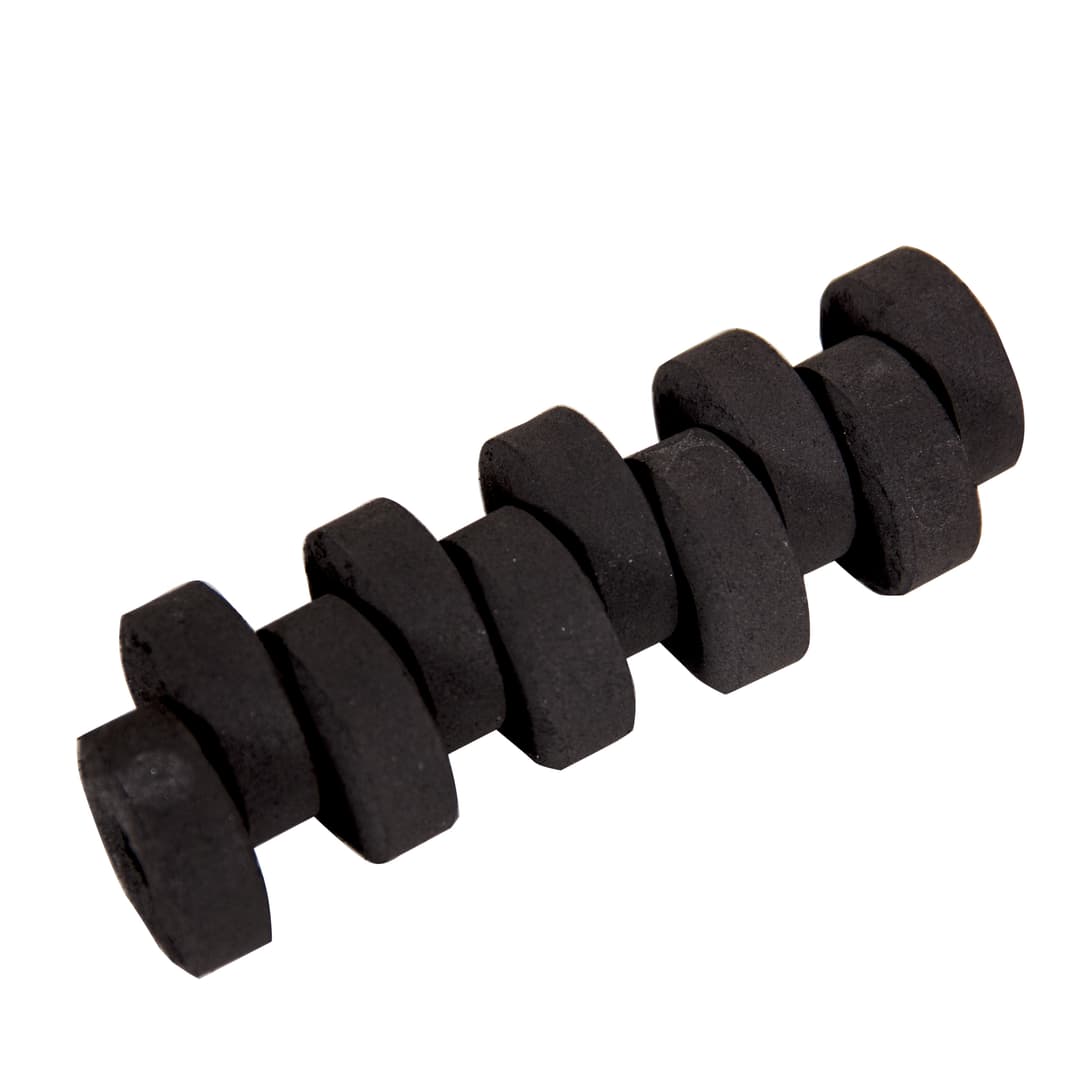
North America's 38.7% Charcoal Dominance: Diversify Supply Chain with Indonesian & Vietnamese Suppliers
North America's 38.7% charcoal market dominance faces volatility. Diversify with Indonesian & Vietnamese suppliers to leverage 8.5% CAGR growth and reduce costs by 15-20% through sustainable sourcing.
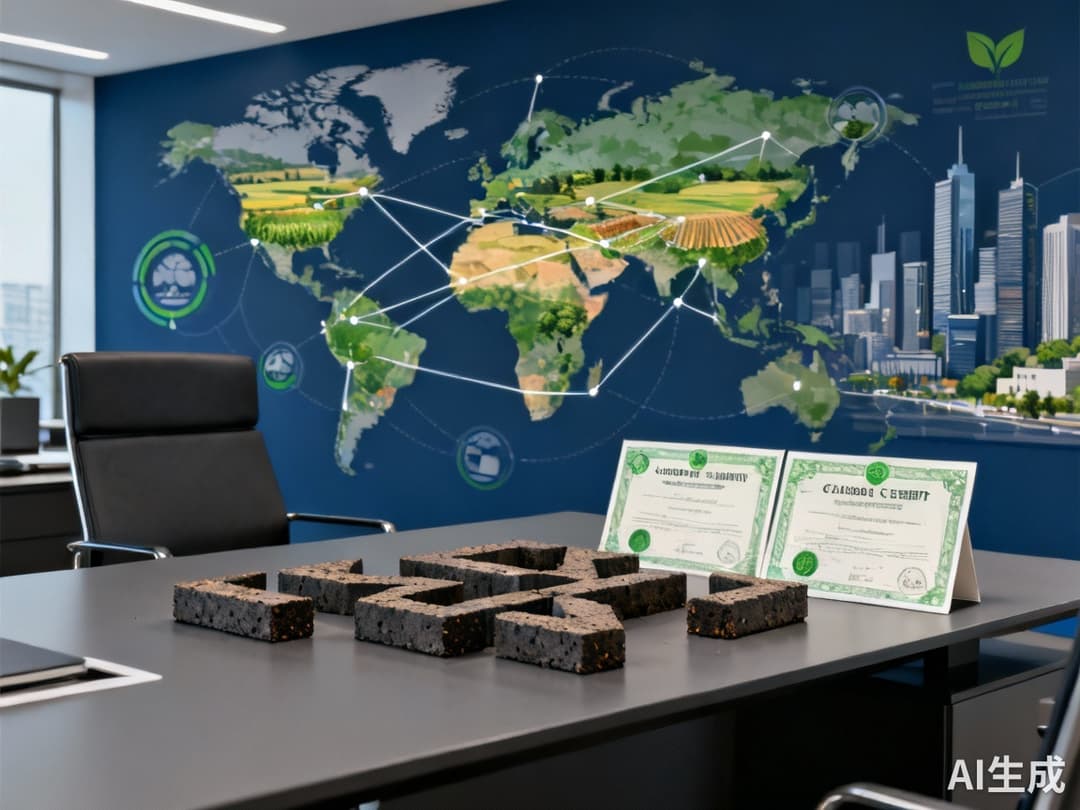
Biochar Market Hits $1.35B by 2030: 13.9% CAGR & Carbon-Negative Trade Shift
Biochar market projected to reach $1.35B by 2030 with 13.9% CAGR, driven by carbon-negative value chains and EU regulatory mechanisms. Proven viability through biomass briquettes in remote communities and China's carbon trading pilots.

News
Transform Your Business with High-Quality Charcoal: Solutions for Bakhoor and BBQPremium Bakhoor and BBQ Charcoal: The Key to Boosting Customer Satisfaction and RevenueHow Premium Bakhoor & BBQ Charcoal Solves Your Business's Biggest ChallengesPremium Bakhoor & BBQ Charcoal Solutions for Business GrowthElevate Your Charcoal Business with Premium Solutions: Solving Pain Points in a Booming MarketElevate Your Business with Premium, Chemical-Free Charcoal: Solutions for Bakhoor & BBQHow Premium Charcoal Solves Your Business Challenges and Drives GrowthHow to Choose the Right Charcoal Supplier for Your Business: Quality, Cost, and ConsistencyElevate Your Incense and BBQ Offerings with Premium Charcoal SolutionsPremium Bakhoor & BBQ Charcoal: The Key to Solving Your Business's Operational HeadachesProducts
27mm Charcoal Tablets for Church Incense UseHookah Charcoal Tongs Stainless Steel Multi-Size Charcoal Tongs Hookah AccessoryWrought Iron Charcoal Incense Burner with Floral Carving - Middle Eastern Arabic Living Room DecorArab Golden Incense Burner, Home Indoor Cone Incense Burner, Small Middle Eastern Style Incense BurnerVintage Aladdin Lamp Incense Burner - Metal Craft Desktop Ornament in Luxe StyleCrystal Glass Arabian Style Incense Burner - Middle Eastern Craft Ornament - Muslim Aromatherapy Burner - Home DecorMiddle Eastern Arabic Creative Hollow Incense Burner, Light Luxury Style Living Room Tabletop Decorative Ornament, Incense BurnerGolden Arabic Style Charcoal Incense Burner - Living Room Tabletop Decorative Ornament & Aromatherapy BurnerMinimalist Modern Luxury Square Chalice Incense Burner - Middle Eastern Arabic Style Home DecorMiddle Eastern Arabian Style Ceramic Moon Incense Burner - Multi-color Options Semi-handcrafted Aromatic Decor